
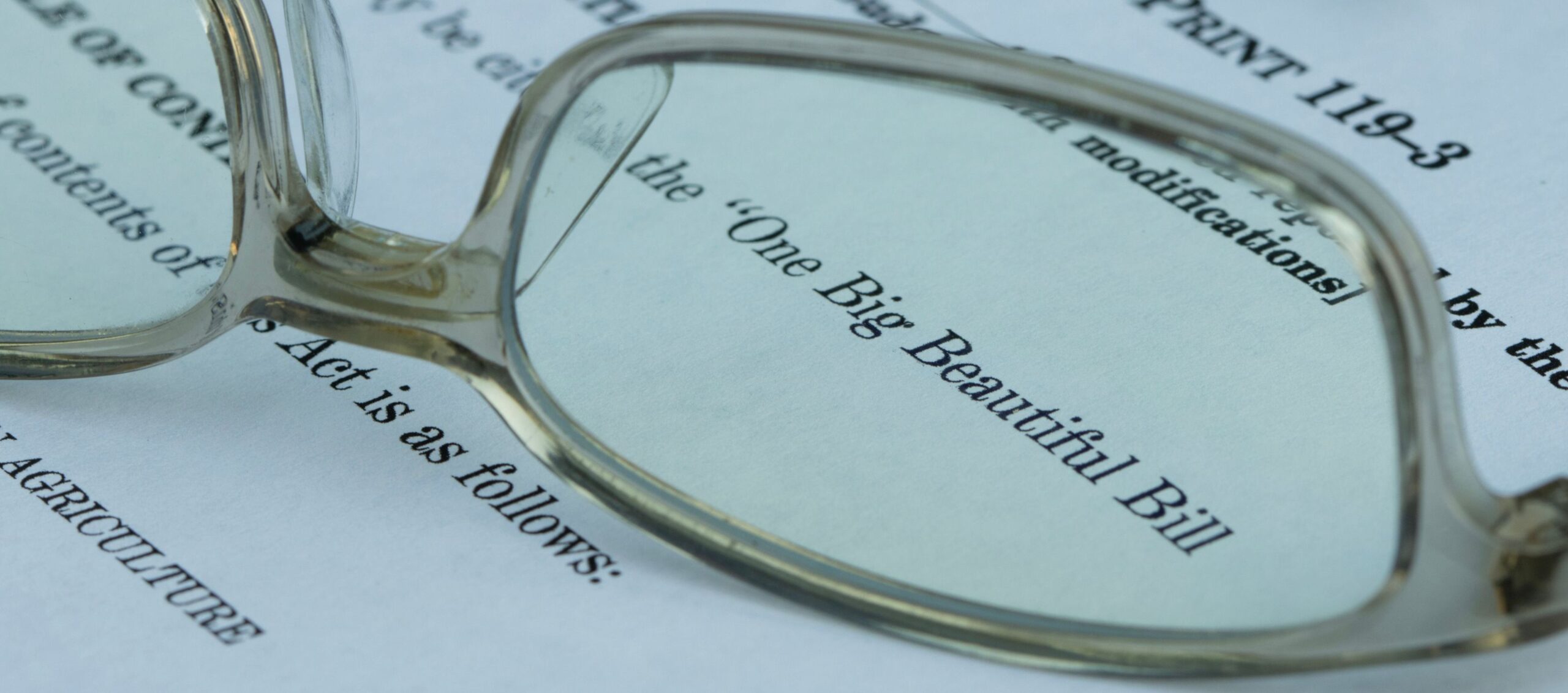
The One Big Beautiful Bill Act (OBBBA), signed into law on July 4th, 2025, includes legislation that transforms federal financial aid policies for higher education, which are proposed to take effect on July 1, 2026. Pacifica has been closely monitoring the details of the bill and its effects on our students, whether you are currently enrolled or a prospective new student.

The below FAQs are a resource designed to clarify how OBBBA may affect your enrollment, borrowing strategy, and repayment planning, based on information and guidance currently available. The FAQs also contain information on borrower rights and responsibilities, related policies, as well as who to contact Pacifica for more information or to discuss your specific aid situation.

We will be updating this page and other communications with students receiving or needing aid as new guidance becomes available from the Department of Education.

Last updated: October 31st, 2025
1. How is Pacifica Graduate Institute preparing for these changes?

Pacifica is actively preparing for OBBBA implementation by:

  • Developing strategies to address funding gaps for students affected by Graduate PLUS loan elimination
  • Identifying and communicating with “grandfathered” students about their continued eligibility
  • Updating all financial aid materials and communications to reflect the changes

2. Are there changes coming to federal student loans?

Yes. If the proposed One Big Beautiful Bill Act (OBBBA) is enacted as currently drafted, starting July 1, 2026, Graduate PLUS Loans will no longer be available to new borrowers. However, there are legacy provisions for current borrowers, though the exact requirements are still being clarified by the Department of Education.

Some sources indicate you must have borrowed a Graduate PLUS loan specifically before July 1, 2026, while others suggest any federal Direct Loan would preserve eligibility. We recommend contacting Pacifica’s Office of Financial Aid to confirm how these provisions will apply to your specific situation

Note: OBBBA is proposed legislation that has not been finalized and is subject to change.

3. What if I’m already enrolled – am I protected?

Yes. If you are enrolled in your program as of June 30, 2026, and have received any Direct Loan for your program before July 1, 2026, you can continue borrowing under current loan limits throughout your program. You must stay in the same program and degree type to maintain this protection.

4. What are the new loan limits for students starting after July 2026?

For new students beginning July 1, 2026:

  • Annual limit: $20,500 per year
  • Lifetime limit: $100,000 total

Note: We are working to determine if any Pacifica programs may qualify for higher “professional program” limits of $50,000 per year. Professional programs typically include fields like medicine, law, and dentistry that lead to professional licensure and have demonstrated higher earning potential.

5. What should I do if I have concerns about financing my education?

Contact our Office of Financial Aid directly by calling 805-679-6197, or sending an email to financialaid@pacifica.edu. We can discuss your specific situation, explain how these changes may affect you, and explore all available options to support your educational journey.

1. What is OBBBA and how does it affect my loans?

The One Big Beautiful Bill Act (OBBBA) would make changes to federal student loans starting July 1, 2026 if enacted. The most significant change is that Graduate PLUS Loans will no longer be available to new borrowers. However, current students have important protections.

Note: OBBBA is currently proposed legislation and has not been signed into law. All dates and provisions described in this FAQ are subject to change based on final legislation and federal rulemaking.

2. I’m already enrolled – will I lose access to Graduate PLUS Loans?

No. If you are enrolled in your program as of June 30, 2026, and have received any federal loan for your program before July 1, 2026, you can continue accessing Graduate PLUS Loans throughout your program. This means you don’t need to have borrowed a Graduate PLUS Loan specifically – any Direct Loan qualifies you for this protection.

3. What do I need to do to keep my grandfathered status?

Stay in your current program and degree type at Pacifica Graduate Institute. You cannot change to a different degree program without losing this protection. Taking a leave of absence may affect your grandfathered status and could result in loss of Graduate PLUS loan access, as you’re limited to a maximum of three years of continued eligibility regardless of program completion. Contact the Office of Financial Aid before making any program modifications to understand the impact on your grandfathered status.

4. What happens if I withdraw from my program?

If you withdraw from your program at any point after qualifying for grandfathered status, you will permanently lose access to Graduate PLUS Loans under the old limits. This is why completing your program in a timely manner is important.

5. What does “received a loan” mean for grandfathering purposes?

The loan funds must have been disbursed and credited to your student account before July 1, 2026. Simply having a loan approved or processed is not sufficient – the funds must actually be received.

6. Will any of Pacifica’s programs qualify for higher “professional program” loan limits?

This is still being determined through federal rulemaking. We are actively monitoring these discussions and will update students as soon as we have clarity on whether any of our programs qualify for the higher professional program limits of $50,000 per year. We expect further guidance from the Department of Education by mid-November and will communicate any updates immediately.

7. Will these changes affect private student loans?

No, OBBBA only changes federal student loan programs. Private student loans from banks, credit unions, and other private lenders are not directly affected by these federal loan limit changes.

However, because Graduate PLUS loans will no longer be available to new borrowers starting July 1, 2026, some students may consider private loans to fill funding gaps. Before considering private loans, remember that:

  • Federal loans generally offer better terms, protections, and repayment options
  • Private loans typically require credit checks and may have higher interest rates
  • Private loans don’t offer the same forgiveness programs or income-driven repayment options as federal loans

We strongly recommend exhausting all federal loan options first, including the new loan limits under OBBBA, before considering private alternatives.

8. What should I do now?

Focus on your studies and complete your program in a timely manner. If you’re enrolled before June 30, 2026, and have borrowed any federal loan for your program, you’re protected under the grandfathering provisions.

Contact our Office of Financial Aid directly by calling 805-679-6197, or sending an email to financialaid@pacifica.edu if you have specific questions about your situation.

1. What repayment options will be available for my federal student loans?

Starting July 1, 2026, there will be two main repayment plans:

  • Standard Repayment Plan: Fixed monthly payments with repayment terms based on your total loan balance:
    • Up to $25,000: 10 years
    • $25,000-$50,000: 15 years
    • $50,000-$100,000: 20 years
    • Over $100,000: 25 years
  • Repayment Assistance Plan (RAP): Income-based payments with a minimum of $10 per month, with loan forgiveness after 30 years of payments.

New borrowers* after July 1, 2026 will only have access to two repayment options: a revised standard repayment plan and the new Repayment Assistance Plan (RAP). Existing borrowers currently on SAVE, PAYE, and ICR plans must transition to new repayment options by July 1, 2028.

*Clarification on “New Borrower” Definition: A “new borrower” under OBBBA means someone who has never borrowed any federal Direct Loan before July 1, 2026. Students who borrowed federal loans in 2025 but receive additional disbursements in 2026 would still be considered “existing borrowers” with grandfathered protections.

2. What if I already have loans – do these changes affect me?

If you have loans that were disbursed before July 1, 2026, you can continue using existing repayment plans (standard, graduated, extended) until July 1, 2028. After that date, you must choose between the new Standard Plan or RAP.

3. How does the new Repayment Assistance Plan work?

RAP calculates your payment based on your adjusted gross income and family size, with a $50 monthly reduction for each dependent child. The government will cover unpaid interest so your balance always decreases, and any remaining balance is forgiven after 30 years of payments.

4. What about loan forgiveness programs?

Public Service Loan Forgiveness (PSLF) will continue to be available, but you must enroll in the new Repayment Assistance Plan to be eligible.

Important Privacy Notice: In accordance with FERPA, your financial aid records are confidential. We will only share information about your loans with authorized parties as permitted by law. You have the right to review your financial aid records and request corrections if needed.

1. What happens if I default on my federal student loans?

Default occurs when you fail to make payments on your federal student loan for 270 days (about 9 months). Default has serious consequences including damage to your credit score, wage garnishment, tax refund seizure, and loss of eligibility for additional federal student aid.

2. How can I avoid defaulting on my loans?

Contact your loan servicer immediately if you’re having trouble making payments. Options may include:

  • Income-driven repayment plans
  • Deferment or forbearance (limited to 9 months within any 24-month period starting July 1, 2027)
  • Loan rehabilitation (you can now rehabilitate twice, with minimum payments of $10)

3. What if I’ve already defaulted?

You have options to get out of default, including loan rehabilitation or full payment. Starting July 1, 2027, you can rehabilitate your loans twice instead of just once.

1. What are my rights as a federal student loan borrower?

You have the right to:

  • Receive clear information about your loan terms and conditions, including annual percentage rates, fees, and total repayment amounts
  • Receive information about program completion rates, job placement rates, and median earnings of graduates in your program
  • Choose your repayment plan
  • Receive forbearance or deferment if you qualify
  • Apply for loan forgiveness programs if eligible

2. What are my responsibilities as a borrower?

You must:

  • Make payments on time according to your repayment plan
  • Keep your contact information updated with your loan servicer
  • Complete entrance and exit counseling as required
  • Notify your servicer of any changes that might affect your ability to repay

3. How will the new repayment plans affect my rights?

The new Repayment Assistance Plan includes protections like interest subsidies (the government covers unpaid interest so your balance always decreases) and principal subsidies (ensuring your balance decreases by at least $50 per month).

1. How is Pacifica Graduate Institute preparing for these changes?

Pacifica is actively preparing for OBBBA implementation by:

  • Developing strategies to address funding gaps for students affected by Graduate PLUS loan elimination
  • Identifying and communicating with “grandfathered” students about their continued eligibility
  • Updating all financial aid materials and communications to reflect the changes

2. Will Pacifica’s programs be affected by the new accountability measures?

We are conducting comprehensive risk assessments of all programs to determine potential impacts from the new earnings metrics. These metrics compare graduates’ median earnings to their debt levels and determine whether programs provide sufficient value to justify federal loan eligibility. If any program fails the metric for a single year, we will proactively communicate with students as required by law.

3. How can I stay informed about these changes?

Pacifica has assigned a dedicated team to monitor ongoing guidance from the Department of Education. We will update our website, financial aid materials, and communicate directly with students as new information becomes available.

4. Who should I contact if I have questions about my financial aid?

Contact Pacifica’s Office of Financial Aid directly by calling 805-679-6197, or sending an email to financialaid@pacifica.edu. Our staff is actively involved and working with the new regulations and alternative financing options to help you navigate these changes.

5. What is Pacifica doing to help students with the funding gap?

We recognize that the elimination of Graduate PLUS loans presents the most significant financial risk to our students. We are developing comprehensive strategies to address this funding gap and maintain accessibility to our programs.

Accessibility Notice: This document is available in alternative formats for students with disabilities. Contact disabilityservices@pacifica.edu to request large print, audio, or other accessible versions. All financial aid services are available to students with disabilities in accordance with Section 504 of the Rehabilitation Act and the Americans with Disabilities Act.

Legal Disclaimer: This FAQ provides general information about proposed federal legislation and is not legal or financial advice. Individual circumstances may vary. All information is subject to change based on final federal regulations and institutional policies. Students should consult with the Office of Financial Aid for personalized guidance regarding their specific situation.